
How Babies Learn Colors
=====================
The Importance of Color Recognition in Kids
As a parent or caregiver, you may have noticed how much joy and excitement colors bring to kids. From the moment they are born, babies start to perceive the world around them through different shades and hues. But how exactly do babies learn colors?
Colors play a significant role in children’s lives. They can influence their moods, promote learning, and inspire creativity. That’s why providing them with a colorful environment stimulates their senses and encourages their natural love for color.
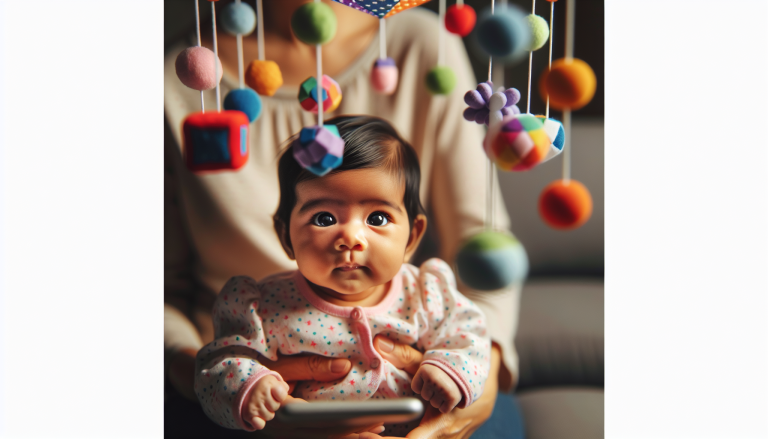
Babies begin to differentiate between colors as early as 2-3 months. At this stage, they can recognize basic colors such as red, blue, green, and yellow. However, it takes a little longer for them to name and identify colors accurately. By the time they reach their second birthday, most kids can label colors correctly.
The Science Behind Color Recognition
Color recognition is a complex process that involves various parts of the brain. According to researchers, the visual cortex, located at the back of the brain, is responsible for processing visual information, including colors. This region sends signals to other brain areas, such as the prefrontal cortex, which is involved in decision-making and attention.
When babies look at an object, their brains process the light waves that bounce off the object and translate them into color. This process requires the presence of specialized cells called cones, which are responsible for color vision. Humans have three types of cones, each sensitive to a specific range of wavelengths, corresponding to red, green, and blue.
“Colors are the smiles of nature.” – Leigh Hunt
Babies learn colors through a combination of nature and nurture. Genetic factors play a role in color perception, as some people are more sensitive to certain hues than others. However, exposure to different colors and objects also influences color recognition.
Research shows that babies who are exposed to a variety of colors from an early age have better color recognition skills than those who grow up in a monochromatic environment. This is because color exposure helps babies develop their visual acuity and cognitive abilities.
Tips for Teaching Colors to Babies
Here are some practical tips for teaching colors to babies:
* Use bright and contrasting colors: Babies are attracted to bright and contrasting colors. Use colorful toys, books, and objects to capture their attention.
* Label colors: As you introduce new colors to your baby, label them clearly. For example, say “This is a red ball” or “Look at the yellow duck.”
* Play color games: Create fun and engaging games that involve colors. For instance, you can play a “find the blue toy” game or create a rainbow with colored blocks.
* Read colorful books: Books with colorful illustrations can help babies learn colors while developing their language and literacy skills.
* Sing color songs: Singing songs that involve colors can also be an enjoyable way to teach colors to babies. For example, you can sing “The Rainbow Song” or “Red, Yellow, Green, and Blue.”
Teaching colors to babies is not only fun but also essential for their cognitive and visual development. By following these practical tips, you can help your baby develop their color recognition skills and enjoy the world’s beauty in all its shades and hues.
“Colors, like features, follow the changes of the emotions.” – Pablo Picasso
In conclusion, babies learn colors through a complex process that involves both nature and nurture. Exposure to different colors and objects can help babies develop their visual acuity and cognitive abilities. By using bright and contrasting colors, labeling colors, playing color games, reading colorful books, and singing color songs, you can create a fun and engaging learning environment for your baby.
Remember, every baby is unique, and some may take longer than others to learn colors. Be patient and consistent in your efforts, and soon enough, your baby will be able to recognize and name colors with ease. As Picasso said, colors follow the changes of the emotions, so let’s help our babies develop their emotional intelligence through color recognition.