
How Babies Learn Colors
=====================
As parents, we want to support our children’s development in any way we can. One important aspect of early childhood development is color recognition. Here’s how babies learn colors and how you can help them along the way.
Colors and Brain Development
—————————-
Before diving into how babies learn colors, it’s important to understand the role colors play in brain development. Colors can greatly impact a child’s mood, promote learning, and inspire creativity. According to research, exposing children to a variety of colors stimulates their senses and encourages their natural love for color.
When Do Babies Start Recognizing Colors?
—————————————-
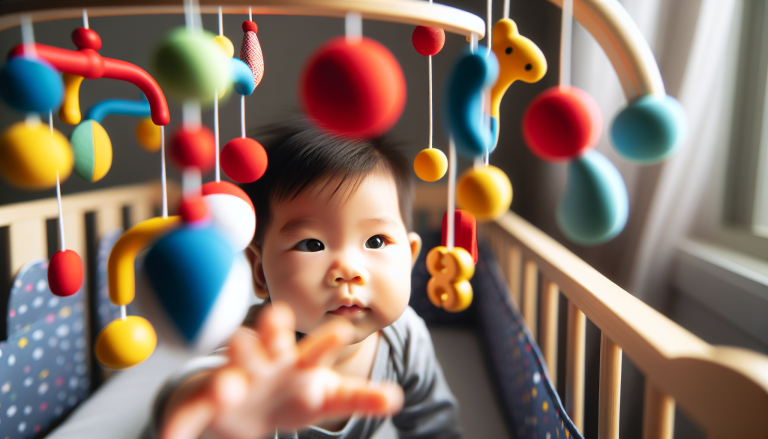
While babies can see colors from birth, their ability to differentiate and recognize specific colors develops over time. According to the American Academy of Pediatrics, babies begin to differentiate between colors around 2-3 months of age. At this stage, they can start to see bright primary colors like red, blue, and yellow. By 5 months, babies can start recognizing more colors, and by their first birthday, most babies have a good grasp of color recognition.
How Babies Learn Colors
———————–
Babies learn colors through a combination of visual stimulation and language development. Here are some ways babies learn colors:
### Through Play
Play is one of the most effective ways for babies to learn colors. Providing them with colorful toys and books can help them differentiate and recognize colors. For example, stacking blocks in different colors can help them learn the names of colors and associate them with specific objects.
### Through Nature
Exposing babies to nature is another great way for them to learn colors. Taking them for a walk outside and pointing out different colors in the environment can help them learn to recognize and name colors. For example, pointing out a red flower or a blue sky can help them associate colors with specific objects.
### Through Language
Language development plays a crucial role in color recognition. As parents, we can help our babies learn colors by using color names in our daily conversations. For example, saying “Look at the yellow sun” or “Can you find the green ball?” can help them associate colors with specific objects and learn the names of colors.
### Through Music and Rhymes
Music and rhymes can also help babies learn colors. Singing songs with colorful characters or animals can help them learn to associate colors with specific objects. For example, singing “The Itsy Bitsy Spider” can help them learn the color red and associate it with a spider.
Tips for Helping Babies Learn Colors
————————————-
Here are some tips for helping babies learn colors:
### Use Bright Colors
Using bright primary colors can help babies differentiate and recognize colors. Providing them with colorful toys, books, and blankets can stimulate their senses and encourage their love for color.
### Use Simple Language
Using simple language can help babies learn colors. For example, saying “Look at the red ball” instead of “Can you find the ruby red ball?” can help them understand and learn the names of colors more easily.
### Be Consistent
Being consistent in using color names can help babies learn colors. Using the same color names consistently can help them associate colors with specific objects and learn the names of colors more easily.
### Encourage Exploration
Encouraging exploration can help babies learn colors. Providing them with colorful objects to explore and play with can help them learn to differentiate and recognize colors more easily.
### Have Fun
Having fun is one of the most important aspects of helping babies learn colors. Making learning fun and enjoyable can help babies stay engaged and motivated to learn.
Conclusion
———-
Color recognition is an important aspect of early childhood development. Babies learn colors through a combination of visual stimulation and language development. Providing them with colorful toys, books, and objects to explore, using simple language, being consistent, encouraging exploration, and having fun can help babies learn colors more easily and enjoyably. By supporting our children’s color recognition development, we can help promote their learning, creativity, and natural love for color.