
Did you know that babies can start to recognize colors as early as four months old? It’s true! While it may seem like a simple skill, color recognition is actually a complex process that involves the development of several different areas of the brain. At first, babies see the world in black and white. It’s not until around two months of age that they begin to see colors, starting with basic shades like red and green. By four months old, babies can start to differentiate between different colors, and by six months, they have a good grasp of the basic colors. But how do babies learn to recognize colors? It all starts with their developing vision. As babies grow and their eyes mature, they are able to see a wider range of colors. Additionally, as they start to move their eyes and heads more, they are able to take in more visual information, which helps them to differentiate between different colors. While color recognition may seem like a basic skill, it’s actually an important one for kids to develop. Here’s why: Research has shown that color can have a big impact on children’s learning. For example, studies have found that children learn better when information is presented in multiple colors, rather than just in black and white. This is because color helps to draw attention to important information and makes it easier for kids to process and remember. Color can also be a powerful tool for encouraging creativity in kids. By exposing children to a wide range of colors, you can help to spark their imagination and encourage them to think creatively. As children learn to recognize and differentiate between different colors, they are also building their visual acuity, or the ability to see clearly and sharply. This is an important skill for kids to develop, as it will help them to be successful in school and in other areas of their lives. If you want to help your child learn colors, here are a few tips to get you started: One of the best ways to help kids learn colors is to provide them with a colorful environment. This can be as simple as adding some colorful toys to their play area or hanging some brightly colored artwork on the walls. Another great way to help kids learn colors is to use everyday objects. For example, you can point out different colors as you go about your day, such as the red stop sign or the green traffic light. Playing color games is a fun and interactive way to help kids learn colors. For example, you can play a game of “I Spy” using colors or have a scavenger hunt for objects of a certain color. Books are a great way to help kids learn colors. Look for brightly colored books with simple illustrations that will capture your child’s attention. Encouraging your child to create art is a great way to help them learn colors. Provide them with a variety of colorful materials, such as paints, markers, and crayons, and let them explore and create on their own.The Wonder of Color Recognition in Babies and Kids
Babies and Colors: A Developmental Journey
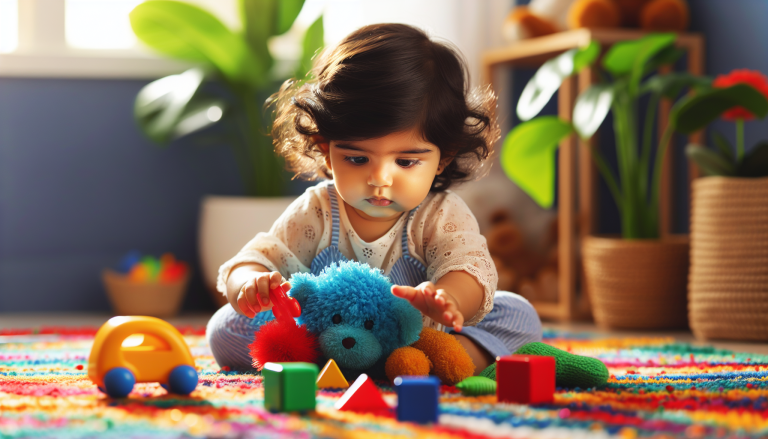
The Importance of Color Recognition in Kids
1. Promotes Learning
2. Encourages Creativity
3. Builds Visual Acuity
Tips for Helping Kids Learn Colors
1. Provide a Colorful Environment
2. Use Everyday Objects
3. Play Color Games
4. Read Colorful Books
5. Encourage Artistic Expression
<750 words>
Colors play a big role in our lives, and this is true for kids as well. While babies may not be able to see colors at first, they quickly start to develop color recognition as they grow. This is an important skill for kids to develop, as it promotes learning, encourages creativity, and builds visual acuity. By providing a colorful environment, using everyday objects, playing color games, reading colorful books, and encouraging artistic expression, you can help your child learn and appreciate the wonderful world of color.