
How Babies Learn Colors
=====================
The Importance of Color Recognition in Kids
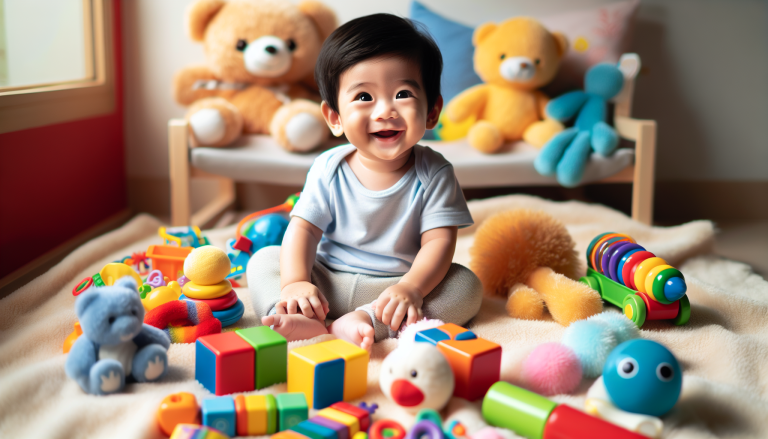
As parents, we want to give our children the best possible start in life. One of the ways we can do this is by providing them with a rich and stimulating environment that encourages learning and exploration. Colors are an important part of this environment, and they play a crucial role in a child’s development.
Color Recognition in Babies
Babies are born with the ability to see colors, but it takes a little time for their brains to fully develop this ability. At first, they may only be able to distinguish between black, white, and gray. But as they grow and develop, they will begin to recognize and respond to different colors.
This process of color recognition usually begins around 2-3 months of age. At this stage, babies may start to show a preference for certain colors, such as red or blue. They may also become more alert and engaged when they see bright, contrasting colors.
How Babies Learn Colors
There are a few different ways that babies learn to recognize and identify colors. One of the most important is through repetition and exposure. By seeing the same colors over and over again, babies begin to make associations and connections in their brains.
For example, a baby might see the color red in a variety of different objects, such as a red toy, a red shirt, and a red apple. Over time, they will begin to understand that red is a distinct and separate color, and they will be able to identify it in other objects as well.
Another way that babies learn colors is through language and labeling. When we point to an object and say “This is blue,” we are helping our children to make the connection between the color and the word. This helps to reinforce their understanding of colors and makes it easier for them to identify and remember them.
Tips for Helping Babies Learn Colors
If you want to help your baby learn colors, there are a few simple things you can do. Here are a few tips:
* Surround your baby with a variety of bright, contrasting colors. This will help to stimulate their senses and encourage their natural love for color.
* Use colorful toys and objects to help your baby learn. For example, you could use a set of colored blocks or a stack of colorful cups.
* Talk to your baby about colors. Point to different objects and say the names of the colors. This will help your baby to make the connection between the color and the word.
* Encourage your baby to explore and experiment with colors. For example, you could give them a set of colored markers and let them scribble on a piece of paper.
Overall, learning colors is an important part of a child’s development. By providing a rich and stimulating environment, using repetition and labeling, and encouraging exploration, you can help your baby learn and recognize colors in a fun and engaging way.