
How Babies Learn Colors
=====================
As parents, we want to support our children’s learning and development in any way we can. One of the earliest ways kids learn and grow is through color recognition. By understanding how babies learn colors, we can create a rich and stimulating environment to help them thrive.
Colors and Early Development
—————————
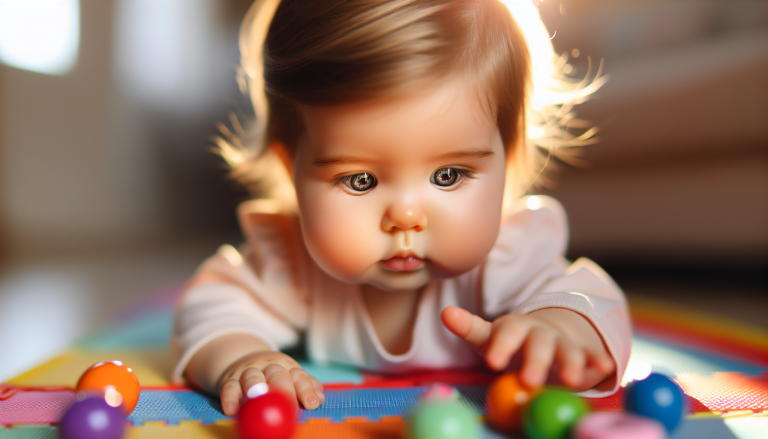
From a young age, babies are drawn to bright, bold colors. This is because their developing eyes are particularly sensitive to high-contrast shades. In fact, studies have shown that newborns can differentiate between light and dark shades, and can even recognize their mother’s face in part because of the contrast between her skin tone and her hair or clothing.
As babies grow and develop, they begin to notice and respond to a wider range of colors. By around 3 months old, most babies have begun to develop color vision, and can start to distinguish between primary colors like red, blue, and yellow.
Ways Babies Learn Colors
———————–
There are many fun and engaging ways to help babies learn colors. Here are a few ideas:
1. **Surround them with colorful objects:** Providing a variety of colorful toys, books, and other objects for babies to explore can help them develop their color recognition skills. Look for items in a range of hues, from bright primary colors to softer pastels.
2. **Use descriptive language:** As you talk to your baby throughout the day, use descriptive language to name the colors around them. For example, you might say “Look at the red ball!” or “I love your blue shirt!” This helps babies make the connection between the words and the colors.
3. **Play with colorful foods:** Introducing a variety of colorful fruits and vegetables can be a fun and tasty way to help babies learn about different colors. For example, you might offer them a plate with slices of red strawberries, green kiwi, and orange carrots.
4. **Sing and read:** Songs and books are another great way to help babies learn colors. Look for books with bright, bold illustrations, and sing songs that incorporate different colors. For example, you might sing “The Wheels on the Bus” and emphasize the different colors of the bus as you go.
The Importance of Color Recognition
———————————–
Learning to recognize and name colors is an important developmental milestone for babies. It helps them develop their language skills, cognitive abilities, and visual perception.
As babies grow and develop, their color recognition skills will continue to improve. By the time they reach preschool age, most children are able to name and recognize a wide range of colors. This is an important foundation for future learning, as color recognition is a key component of many academic subjects, including art, science, and math.
Conclusion
———-
Helping babies learn colors is a fun and rewarding way to support their early development. By providing a colorful environment, using descriptive language, playing with colorful objects and foods, and engaging in songs and books, we can help our little ones develop their color recognition skills and set them up for future success.