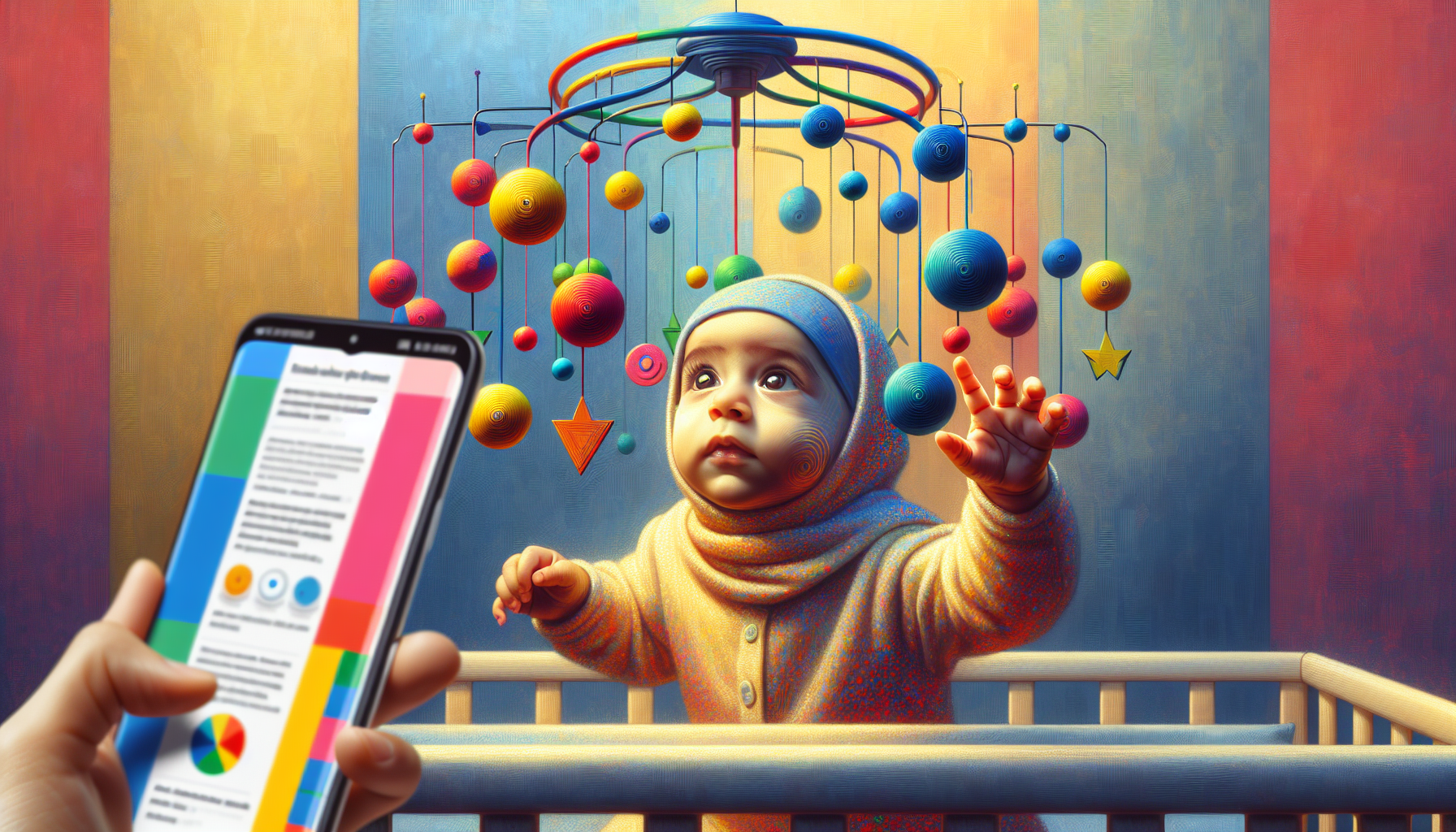
How Babies Learn Colors
======================
The Importance of Color Recognition in Kids

Colors are an essential part of our world, and they play a significant role in children’s lives. As early as three months old, babies can start to differentiate between colors, and by the time they turn one, most babies can recognize and name basic colors. Here’s how babies learn colors and why it’s important for their development.
Color Recognition in Babies
Babies start to see colors while they are still in the womb. However, their color recognition skills develop rapidly in the first few months of their lives. At birth, babies can only see black, white, and shades of gray. It takes a few weeks for their color vision to fully develop. By two months, babies can start to differentiate between primary colors such as red, blue, and yellow. As they grow older, they can recognize more complex colors like purple, green, and orange.
The Role of Color Recognition in Learning
Color recognition is an essential skill for children’s learning and development. It helps them to categorize and organize objects, which in turn promotes cognitive development. For example, when a baby learns to differentiate between red and blue blocks, they are also learning about sorting and classification.
Moreover, color recognition is crucial for language development. When children learn to name colors, they are learning new vocabulary, which is an essential building block for language acquisition. Children who can name colors are also more likely to have better reading skills in the future.
Tips for Teaching Kids About Colors
Teaching kids about colors can be a fun and engaging process. Here are some practical tips for teaching color recognition to babies and toddlers:
1. **Use Bright and Contrasting Colors:** Babies are drawn to bright and contrasting colors, so using them in toys, books, and other learning materials can help to capture their attention.
2. **Play Color Games:** Playing games that involve colors is an excellent way to reinforce color recognition skills. For example, you can play a game of “I Spy” with colors, or you can sort toys or blocks by color.
3. **Read Colorful Books:** Reading books that have colorful illustrations can help babies and toddlers to learn about colors in a fun and engaging way.
4. **Sing Color Songs:** Singing songs that involve colors can also be an enjoyable way to teach color recognition. For example, you can sing “The Rainbow Song” or “Red, Yellow, Green, and Blue.”
5. **Create Colorful Art:** Creating art projects that involve colors is not only fun but also helps to reinforce color recognition skills. For example, you can make a collage with colored paper, or you can paint with finger paints.
Conclusion
Color recognition is an essential skill for children’s learning and development. By teaching kids about colors, we can promote cognitive development, language acquisition, and creativity. With the practical tips mentioned above, teaching color recognition can be a fun and engaging process that both parents and children can enjoy. So, let’s help our kids learn colors and watch them grow into curious and creative individuals.