How Babies Learn Colors
=====================
As parents, we want to give our kids the best start in life. One of the ways we can do this is by helping them learn colors. Color recognition is an important part of a child’s development, and it can be a lot of fun for both parents and kids.
Why Colors Matter for Kids
————————–
Colors are an essential part of our world, and they play a big role in how we communicate and understand our environment. For kids, learning colors can help them:
* Develop their language skills: As kids learn the names of colors, they are also learning new words and expanding their vocabulary.
* Improve their memory: Remembering the names of colors and being able to identify them can help kids improve their memory skills.
* Boost their creativity: Colors can inspire creativity and imagination in kids, leading to more creative play and artistic expression.
* Enhance their observation skills: When kids start to pay attention to colors, they also start to notice more details in the world around them.
How Babies Learn Colors
———————–
Babies start to learn colors from a very young age. Here’s how the process typically works:
### Color Recognition Begins with Contrast
At first, babies can’t see colors very well. Newborns can only see black, white, and shades of gray. It takes a few weeks for their color vision to develop.
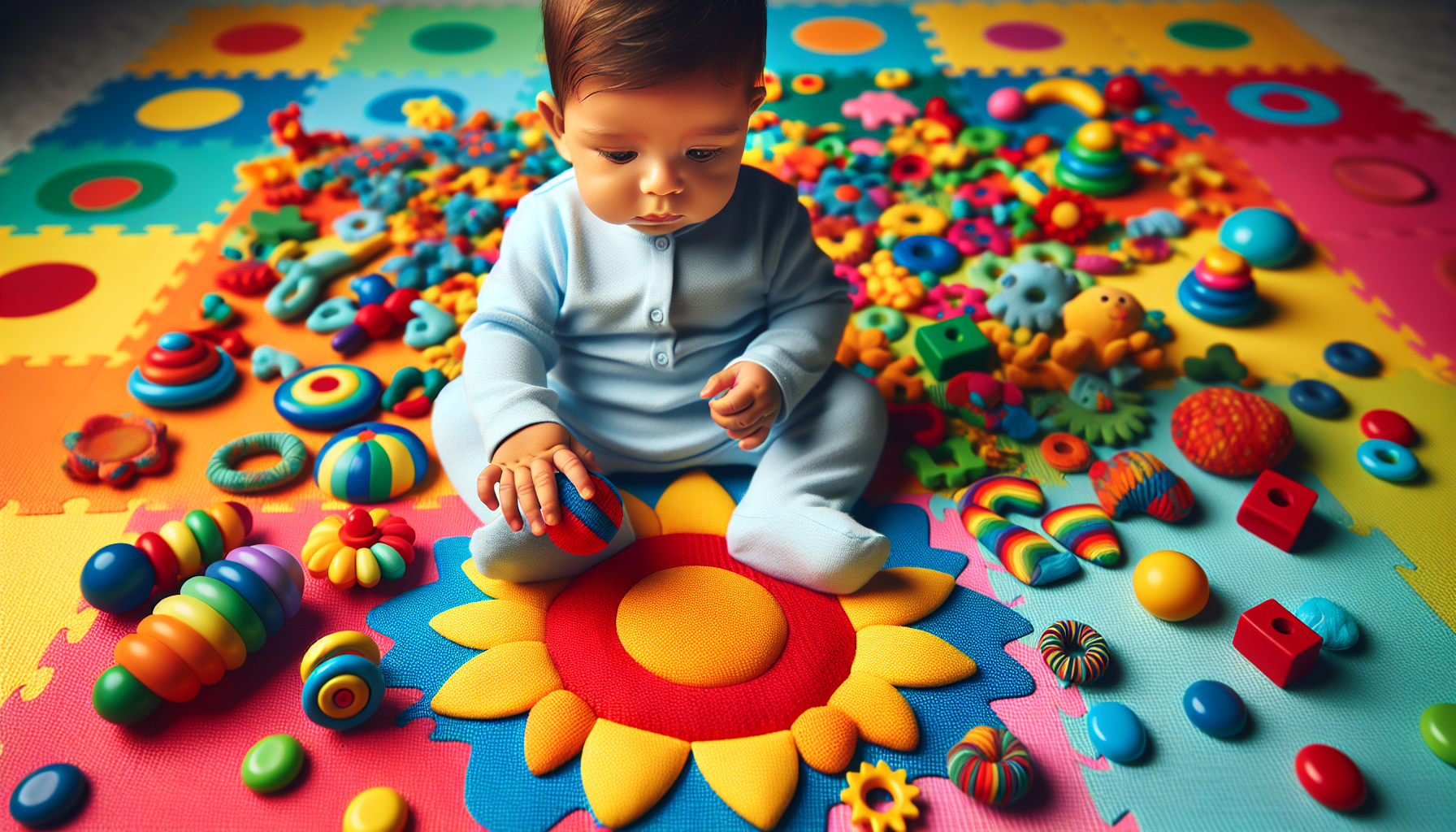
Once their color vision kicks in, babies start to notice contrasts between different colors. Bright, bold colors like red and yellow are easier for babies to see than more muted shades.
### Babies Learn to Associate Names with Colors
As babies get older, they start to associate names with colors. This usually happens around 18 months. At this stage, babies can identify basic colors like red, blue, and yellow.
To help your baby learn colors, try using simple, clear language when you talk about them. For example, you might say, “Look at the red ball!” or “Can you find the blue block?”
### Color Recognition Improves with Age
As babies grow into toddlers and preschoolers, their color recognition skills continue to improve. By the time they are 3 or 4 years old, most kids can identify a wide range of colors, including more complex shades like purple and orange.
To help your child continue learning colors, try incorporating them into everyday activities. For example, you might sort toys by color, or go on a color walk and look for different colors in your neighborhood.
### Reading Books Can Help
Reading books is another great way to help kids learn colors. Look for books with bright, colorful illustrations, and talk about the colors you see on each page.
Here’s a fun activity you can try with your child: Choose a book with simple illustrations and ask your child to find objects of a certain color. For example, you might say, “Can you find something in this picture that is green?”
### Playing Games Can Be Fun
Games are another great way to help kids learn colors. Try playing “I Spy” with colors, or have your child help you sort laundry by color.
You can also try making your own color games. For example, you might create a treasure hunt where your child has to find objects of a certain color. Or, you might make a color collage by cutting out pictures from magazines and gluing them onto a piece of paper.
### Tips for Helping Kids Learn Colors
Here are some tips to help your child learn colors:
* Use simple, clear language when you talk about colors.
* Incorporate colors into everyday activities.
* Read books with bright, colorful illustrations.
* Play games that involve colors.
* Be patient and give your child plenty of time to learn.
With a little bit of effort, you can help your child develop strong color recognition skills and set them up for success in other areas of learning too.